
heating
No Hot Water? Common Causes and Quick Checks
23 December 2025 · approx. 8 min read
Hot water gone cold? Before you panic, here are a few simple checks you can do safely – and the signs it’s time to call a qualified plumber.
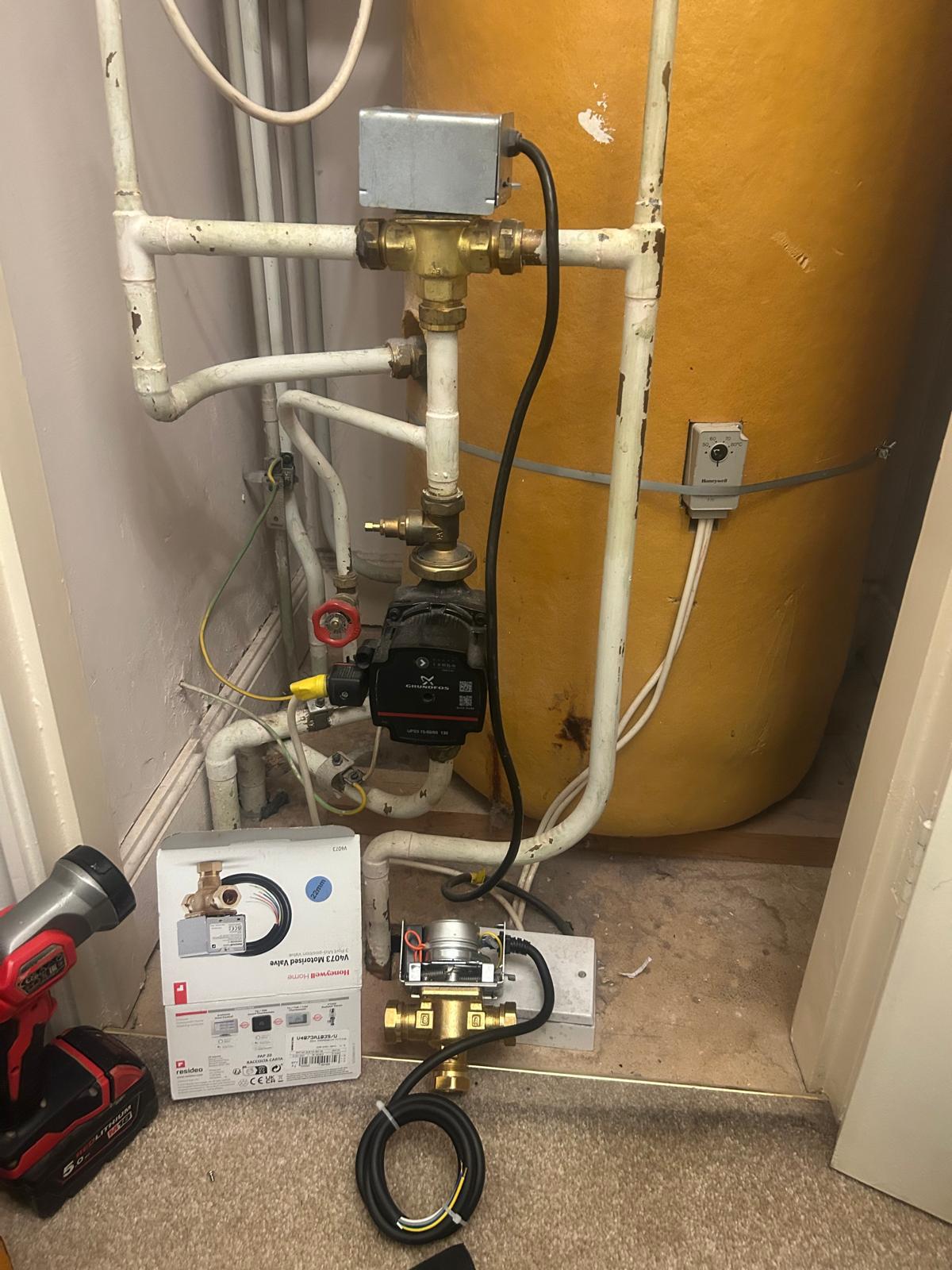
Losing your hot water is frustrating, especially when you’ve got work, kids’ baths or guests staying over. The good news is that a few basic checks can sometimes get you back up and running without an emergency call-out.
First check: is it the whole house or just one tap?
Try the kitchen hot tap and a bathroom tap or shower. If none of them are getting hot, the problem is likely with the boiler, cylinder or controls. If it’s just one tap, it may be a local issue like a failed mixer cartridge or an airlock.
Boiler and controls – the simple things
- Make sure the boiler has power – check the display, fuse spur and main fuse board.
- Confirm the programmer or smart thermostat is actually calling for hot water.
- If you use a cylinder, feel (carefully) if the flow pipe from the boiler is getting warm.
If the boiler is locked out or showing an error code, note it down – this really helps when you ring your engineer.
Common faults we see on call-outs
- Faulty motorised valve stuck in the wrong position, so hot water isn’t getting to the cylinder.
- Failed cylinder thermostat or wiring fault so the boiler never gets the signal to heat the water.
- Immersion heater failure on cylinders that use an electric backup.
- Limescale build-up on older systems in hard-water areas.
When to stop troubleshooting and call a professional
- You can smell gas or see signs of burning or scorching – turn everything off and call immediately.
- The boiler is repeatedly locking out or making unusual banging or kettling noises.
- You’re not confident removing covers or working near electrical components.
Hot water and heating systems mix gas, electricity and pressurised water, so there’s a limit to what’s sensible to DIY. If in doubt, switch off what you can safely and book a qualified engineer – that’s what we’re here for.